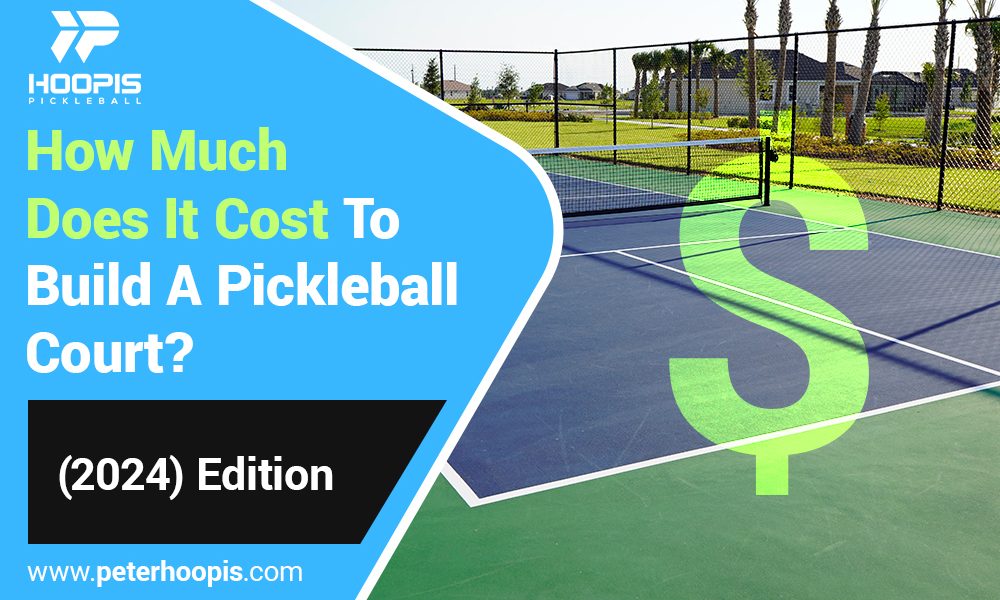
If you’ve ever dreamed of having your own pickleball court in your backyard, one of the first questions you’ll probably ask is, “How much does it cost to build a pickleball court?”
The answer depends on several factors, but most homeowners can expect to spend anywhere from $20,000 to $50,000 for a standard outdoor court. If you’re converting an existing tennis or basketball court, your costs could be much lower, while premium courts with custom fencing, lighting, and professional-grade surfaces can easily exceed $60,000.
As pickleball continues to grow in popularity, more homeowners, HOAs, schools, parks, and clubs are investing in dedicated courts. While building a court isn’t inexpensive, it can provide years of enjoyment, increase convenience, and eliminate the hassle of waiting for open courts at your local park.
In this guide, I’ll break down everything that affects the cost of building a pickleball court—from site preparation and surfacing to fencing, lighting, and optional upgrades. Whether you’re planning a simple backyard court or a tournament-quality playing surface, you’ll have a much better idea of what to budget before getting started.
Average Cost To Build A Pickleball Court
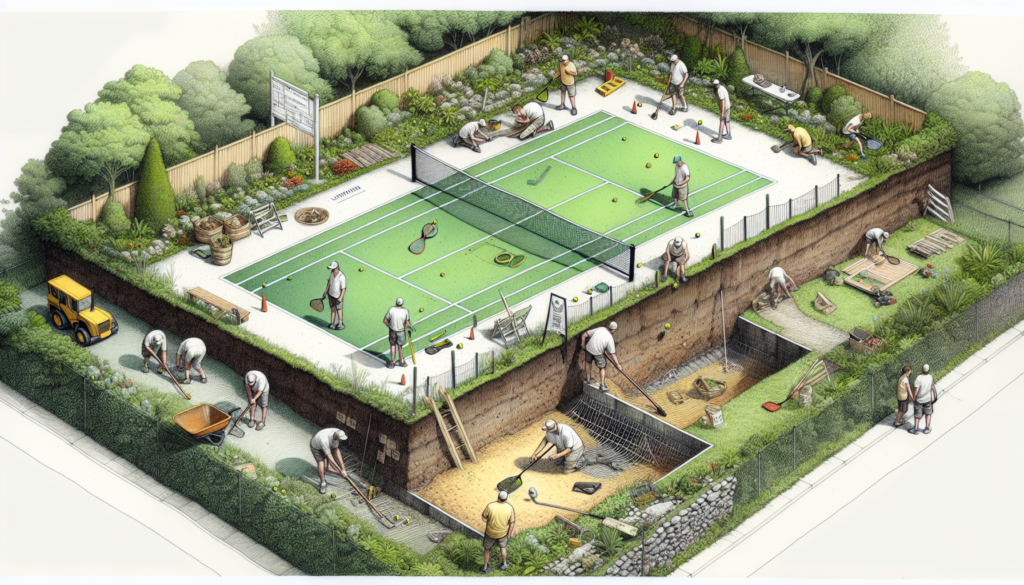
The cost to build a pickleball court can vary significantly depending on whether you’re starting from scratch or converting an existing playing surface. Factors like site preparation, materials, drainage, fencing, lighting, and labor all play a role in the final price.
Here’s a general breakdown of what you can expect to spend:
| Project | Estimated Cost |
|---|---|
| Paint lines on an existing court | $500–$2,000 |
| Resurface and convert an existing tennis or basketball court | $2,000–$10,000 |
| Basic outdoor pickleball court | $20,000–$35,000 |
| Premium backyard pickleball court | $35,000–$60,000+ |
| Indoor pickleball court (including the building) | $100,000+ |
For most homeowners, a new outdoor court will fall somewhere between $20,000 and $50,000. If your property is already level and requires very little site work, you may end up on the lower end of that range. On the other hand, if your project requires extensive grading, retaining walls, drainage improvements, or premium features like LED lighting and decorative fencing, costs can climb quickly.
If you’re looking for the most affordable option, converting an existing tennis or basketball court is often the best value. Since the playing surface is already in place, you’ll primarily pay for resurfacing, new court lines, and a pickleball net system rather than constructing an entirely new court.
The good news is that a well-built pickleball court can provide decades of enjoyment with relatively minimal maintenance, making it a worthwhile investment for avid players and families who plan to use it regularly.
What Factors Affect the Cost of Building a Pickleball Court?
No two pickleball court projects are exactly alike. While the average outdoor court costs between $20,000 and $50,000, several factors can push your total cost higher or lower. Understanding these expenses will help you build a realistic budget and avoid surprises along the way.
1. Site Preparation
Before construction can begin, the area needs to be properly prepared. If your yard is already flat and accessible, this step may be relatively inexpensive. However, if the land needs grading, tree removal, excavation, or drainage improvements, site preparation can become one of the biggest expenses.
Typical site preparation costs range from $2,000 to $10,000, depending on the condition of your property.
2. Concrete or Asphalt Base
The foundation is the most important part of any pickleball court. A properly installed concrete or asphalt surface provides a level playing area and helps prevent cracks and drainage issues over time.
Concrete is generally more expensive but tends to last longer and requires less maintenance. Asphalt is often less expensive upfront but may need resurfacing sooner.
Expect to spend approximately $10,000 to $20,000 for the court base, depending on your location and contractor pricing.
3. Court Surfacing
Once the base is complete, contractors apply an acrylic sports surface. This textured coating provides traction, improves ball bounce, protects the concrete or asphalt, and gives the court its finished appearance.
Most homeowners spend $3,000 to $8,000 for professional court surfacing, depending on the number of color coats and the products used.
4. Fencing
Fencing isn’t required, but it’s one of the most popular upgrades. It keeps balls contained, improves safety, and creates a more enjoyable playing experience.
Most backyard courts use 8- to 10-foot chain-link fencing, although decorative fencing is also available.
Depending on the size of the enclosure and materials you choose, fencing typically costs $4,000 to $15,000.
5. Lighting
If you plan to play after work or enjoy evening games with friends and family, adding LED sports lighting is well worth considering.
Professional lighting systems generally cost between $5,000 and $15,000, depending on the number of fixtures, electrical work, and brightness requirements.
6. Net System and Equipment
Every court needs a quality net system. Permanent net systems are the most common choice for backyard courts, although portable nets can be a budget-friendly alternative.
In addition to the net, you may also want benches, windscreens, ball holders, scorekeepers, or other accessories.
Plan to spend $500 to $2,500, depending on the equipment you choose.
7. Labor and Location
Labor costs vary significantly across the country. In areas with a high cost of living or limited availability of sports court contractors, installation prices may be noticeably higher.
Getting quotes from multiple contractors is one of the best ways to ensure you’re receiving competitive pricing for your project.
Pickleball Court Cost Breakdown at a Glance
If you’re wondering where your money goes when building a pickleball court, here’s a quick overview of the typical costs for each part of the project.
| Cost Category | Typical Cost |
|---|---|
| Site Preparation | $2,000–$10,000 |
| Concrete or Asphalt Base | $10,000–$20,000 |
| Acrylic Court Surfacing | $3,000–$8,000 |
| Permanent Net System | $500–$2,000 |
| Fencing | $4,000–$15,000 |
| LED Lighting (Optional) | $5,000–$15,000 |
| Benches, Windscreens & Accessories (Optional) | $500–$5,000+ |
| Estimated Total | $20,000–$50,000+ |
Keep in mind: These are general estimates. Your final cost will depend on your location, labor rates, site conditions, material choices, and any custom features you decide to add.
Sample Budget Scenarios
To give you a better idea of what to expect, here are three common project budgets:
| Project Type | Estimated Cost |
| Budget Option – Convert an existing tennis or basketball court with new surfacing and a net | $2,000–$10,000 |
| Standard Backyard Court – New concrete pad, acrylic surface, permanent net, and basic fencing | $25,000–$40,000 |
| Premium Backyard Court – Everything above plus LED lighting, decorative fencing, seating, windscreens, and landscaping | $45,000–$70,000+ |
As you can see, the biggest factors affecting your budget are whether you’re building a brand-new court or converting an existing one, along with how many premium features you choose to include. For most homeowners, investing in a quality foundation and playing surface provides the best long-term value, while upgrades like lighting and decorative fencing can always be added later.
How to Save Money When Building a Pickleball Court
Building a pickleball court is a significant investment, but there are several ways to reduce costs without sacrificing the quality of your playing experience. With a little planning, you may be able to save thousands of dollars.
Convert an Existing Court
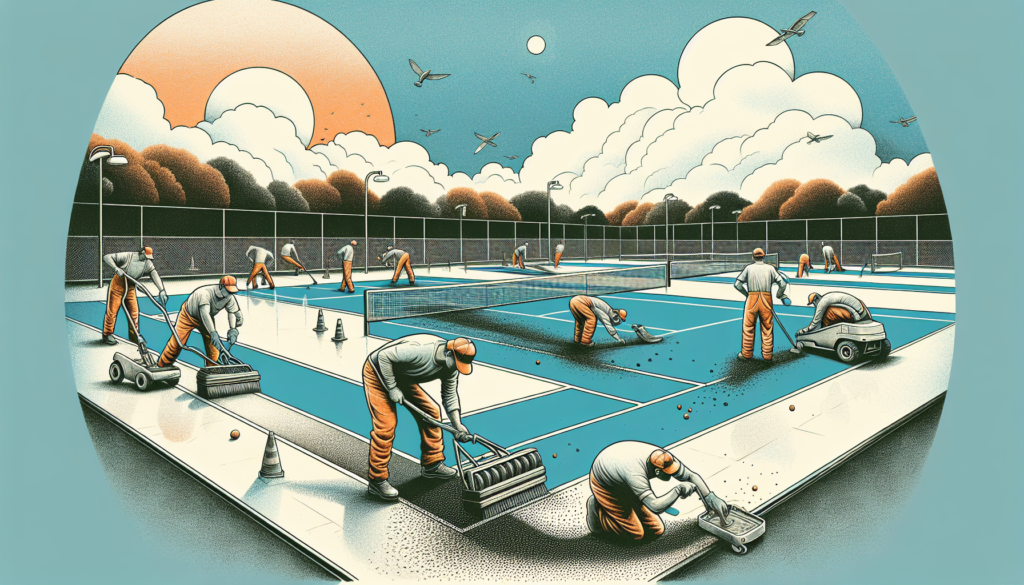
If you already have access to a tennis or basketball court, converting it into a pickleball court is usually the most affordable option. In many cases, all that’s needed is resurfacing, new court lines, and a pickleball net system.
Keep the Design Simple
It’s easy to get caught up in premium upgrades, but not every court needs decorative fencing, custom lighting, or elaborate landscaping. Start with the essentials—a quality playing surface and a good net system. You can always add upgrades later as your budget allows.
Build Only What You Need
Think about how you’ll actually use the court. If it’s primarily for family games and casual play, you may not need tournament-quality lighting, windscreens, or spectator seating. Focusing on the features you’ll use most can help keep costs under control.
Get Multiple Contractor Quotes
Construction costs can vary significantly between contractors. I recommend getting at least three detailed quotes before making a decision. Make sure each estimate includes site preparation, materials, labor, surfacing, and any additional features so you’re comparing similar proposals.
Invest in the Foundation
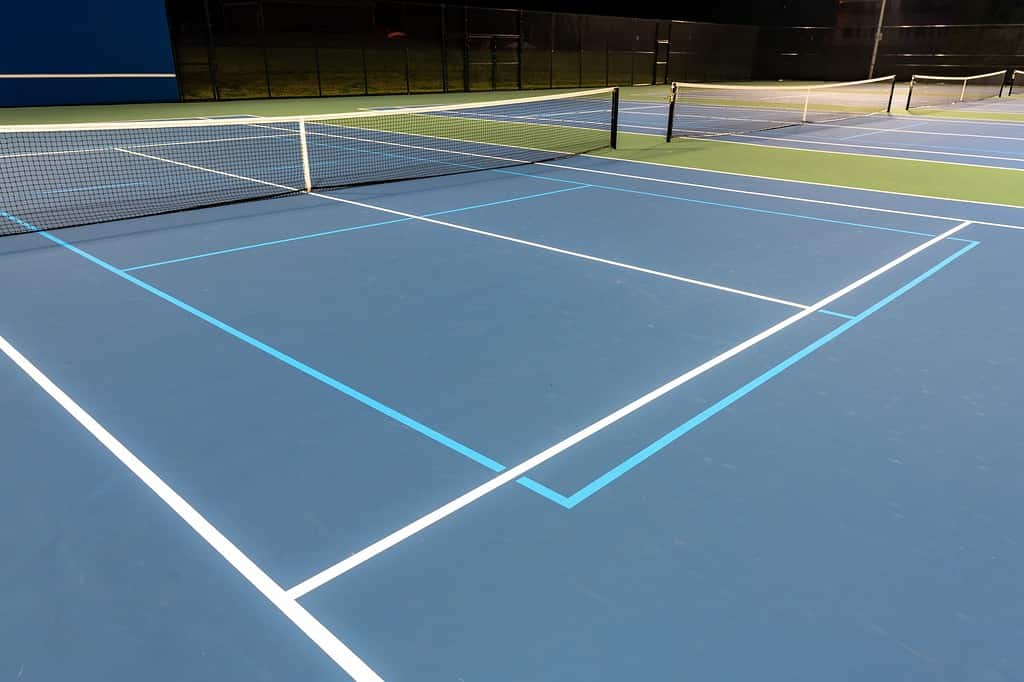
If there’s one area I wouldn’t cut corners, it’s the court’s foundation. A properly prepared base with good drainage will help prevent cracks, standing water, and costly repairs down the road. You can always upgrade accessories later, but fixing foundation problems after construction is much more expensive.
Plan for Long-Term Maintenance
Choosing high-quality materials may cost a little more upfront, but they often require less maintenance and last longer. Spending slightly more today can save money over the life of your court.
My Perspective
If I were building a backyard pickleball court, I’d focus my budget on three things: site preparation, the concrete base, and the playing surface. Those are the foundation of every great court and the hardest—and most expensive—items to fix later. Features like lighting, seating, landscaping, and even fencing can often be added over time, but a solid court that’s level, drains properly, and plays consistently will be worth the investment every time you step on it.
Is Building a Pickleball Court Worth It?
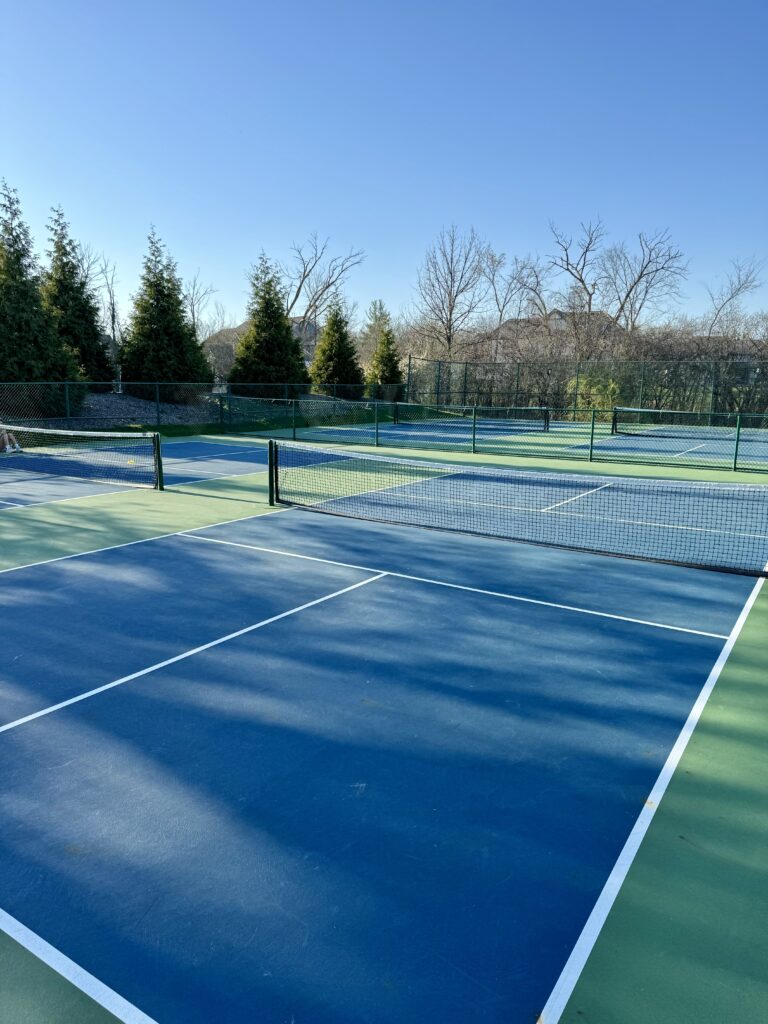
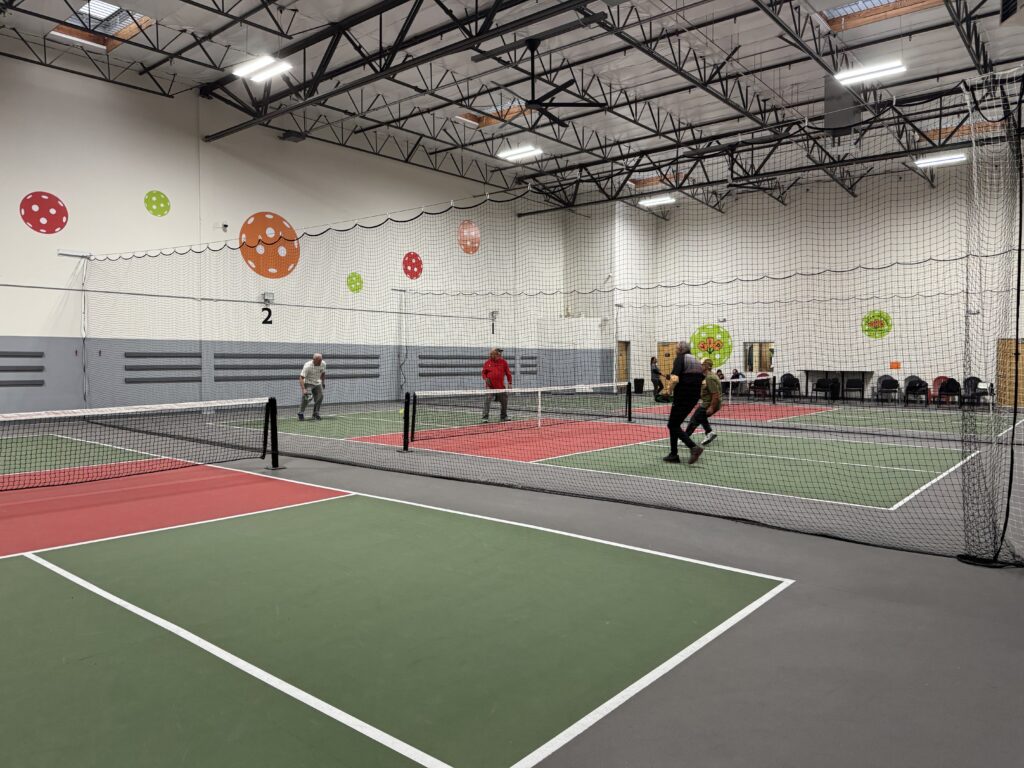
Only you can decide whether building a pickleball court is worth the investment, but for many players, the answer is an easy yes.
If you play several times a week, having your own court means you can play whenever you want without worrying about crowded public courts, league schedules, or court reservations. Whether it’s practicing your serve, drilling with a partner, or hosting friendly games, the convenience is hard to beat.
A backyard pickleball court can also become a gathering place for family and friends. It’s a fun way to stay active, spend time together, and introduce new players to one of the fastest-growing sports in the country.
While a pickleball court shouldn’t be viewed as a guaranteed way to increase your home’s resale value, it can make your property more appealing to the right buyer—especially in areas where pickleball is popular. Even if it doesn’t significantly increase your home’s value, many homeowners find that the enjoyment they get from using the court makes the investment worthwhile.
My Take
If you’re on the fence, I’d ask yourself one simple question: How often will you use it?
If you only play a few times each year, it’s probably hard to justify the cost. But if pickleball is one of your favorite hobbies and you find yourself playing multiple times a week, building your own court can be an investment in your lifestyle rather than just your property.
For me, the biggest benefit isn’t increasing home value—it’s the freedom to play whenever I want. No waiting for an open court. No driving across town. No worrying about park hours. Just grab a paddle, step outside, and start playing.
That’s a level of convenience that’s hard to put a price on.
Frequently Asked Questions
Can you build a pickleball court for under $10,000?
Yes, but usually only if you’re converting an existing tennis or basketball court. Building a brand-new outdoor pickleball court from the ground up typically costs $20,000 to $50,000 or more once you factor in site preparation, the playing surface, and installation.
What is the cheapest way to build a pickleball court?
The most affordable option is to convert an existing hard surface, such as a tennis court, basketball court, or large concrete pad. In many cases, you only need to resurface the area, paint pickleball lines, and install a net.
Is concrete or asphalt better for a pickleball court?
Both surfaces work well, but concrete is generally considered the better long-term investment. It typically lasts longer, requires less maintenance, and provides a more consistent playing surface. Asphalt usually costs less upfront but may require resurfacing sooner.
How much space do you need for a pickleball court?
A regulation pickleball court measures 20 feet wide by 44 feet long. However, the USA Pickleball recommended playing area is 30 feet by 60 feet to provide enough room for movement and safety around the court.
Do I need a permit to build a pickleball court?
It depends on where you live. Many municipalities require permits for concrete work, fencing, lighting, or drainage improvements. Before starting construction, check with your local building department or HOA to understand any requirements or restrictions.
How long does it take to build a pickleball court?
Most backyard pickleball courts can be completed in three to eight weeks, depending on site conditions, weather, contractor availability, and how long the concrete needs to cure before surfacing.
How long will a pickleball court last?
A properly built pickleball court can last 20 years or more with routine maintenance. The acrylic playing surface typically needs to be resurfaced every 5 to 8 years, depending on usage and climate.
Can I build a pickleball court on my driveway?
Sometimes. If your driveway is large enough, relatively level, and has a smooth surface, it may work for recreational play. However, most residential driveways don’t provide the recommended playing area, and slopes can affect ball bounce and overall playability.
Does a pickleball court increase home value?
There’s no guarantee that a pickleball court will increase your home’s resale value. However, it may make your property more attractive to buyers who play pickleball or enjoy outdoor recreation. For most homeowners, the biggest return is the enjoyment and convenience the court provides rather than a measurable increase in property value.
Is building a pickleball court worth it?
If you play regularly and have the space, many owners feel it’s well worth the investment. Having a court at home means no waiting for public courts, no reservations, and the flexibility to practice or play whenever you want. For avid players, that’s often the biggest benefit of all.
Final Thoughts
Building a pickleball court is a significant investment, but for many players, it’s one that pays off every time they step on the court. Whether you’re converting an existing surface or building a brand-new backyard court, understanding the costs upfront will help you plan your project and avoid unexpected expenses.
While most homeowners spend between $20,000 and $50,000, your final cost will depend on your property, the materials you choose, and the features you include. By investing in a quality foundation and working with experienced contractors, you’ll have a court that provides years of enjoyment.
If you’re serious about pickleball, few home improvements can deliver as much fun, exercise, and convenience as having your own court just steps from your back door.